

The Electrostate Pivot is no longer a theoretical concept—it is actively reshaping global power structures in early 2026, and it is doing so not through military alliances or trade sanctions, but through electricity itself. Across the Global South, national development strategies are being rewritten around Chinese-built grids, batteries, and renewable systems that offer an alternative to Western fossil-fuel dependency models.
The Electrostate Pivot and the End of Energy Neutrality
For much of the 20th century, energy geopolitics revolved around oil fields, shipping lanes, and petro-currencies. In contrast, the Electrostate Pivot marks a shift toward a world where influence is embedded in physical infrastructure—high-voltage lines, grid software, battery storage, and maintenance contracts.
China’s approach is distinct because it does not export single components. Instead, it delivers integrated national systems. Emerging economies are not simply purchasing solar panels; they are adopting Chinese technical standards, operational models, and long-term service dependencies. This has quietly erased the idea of energy neutrality. Once a country’s grid is designed, built, and maintained externally, sovereignty becomes conditional rather than absolute.
A Bipolar Energy World Takes Shape
This shift echoes earlier warnings about the death of the petro-dollar, as energy influence moves from currency control to physical infrastructure dominance.. By 2026, the global energy landscape has hardened into a bipolar structure. On one side sits the petro-aligned bloc, still anchored to oil, gas, and legacy extraction economics. On the other stands an expanding electric bloc, where power generation, storage, and distribution are optimized around renewable systems controlled through digital management.
The United States and its allies continue to emphasize energy independence through domestic production and liquefied gas exports. China, however, has taken a systems-level approach—positioning itself as the architect of the next industrial baseline. For developing nations facing rapid population growth and urbanization, the appeal is practical rather than ideological: electric infrastructure is faster to deploy, cheaper to scale, and less politically conditional than Western financing models.
Infrastructure as Diplomatic Leverage
What makes this model strategically potent is durability. Once installed, electric infrastructure locks in decades of technical alignment. Software updates, replacement parts, and grid optimization tools create ongoing reliance that cannot be easily reversed without major disruption.
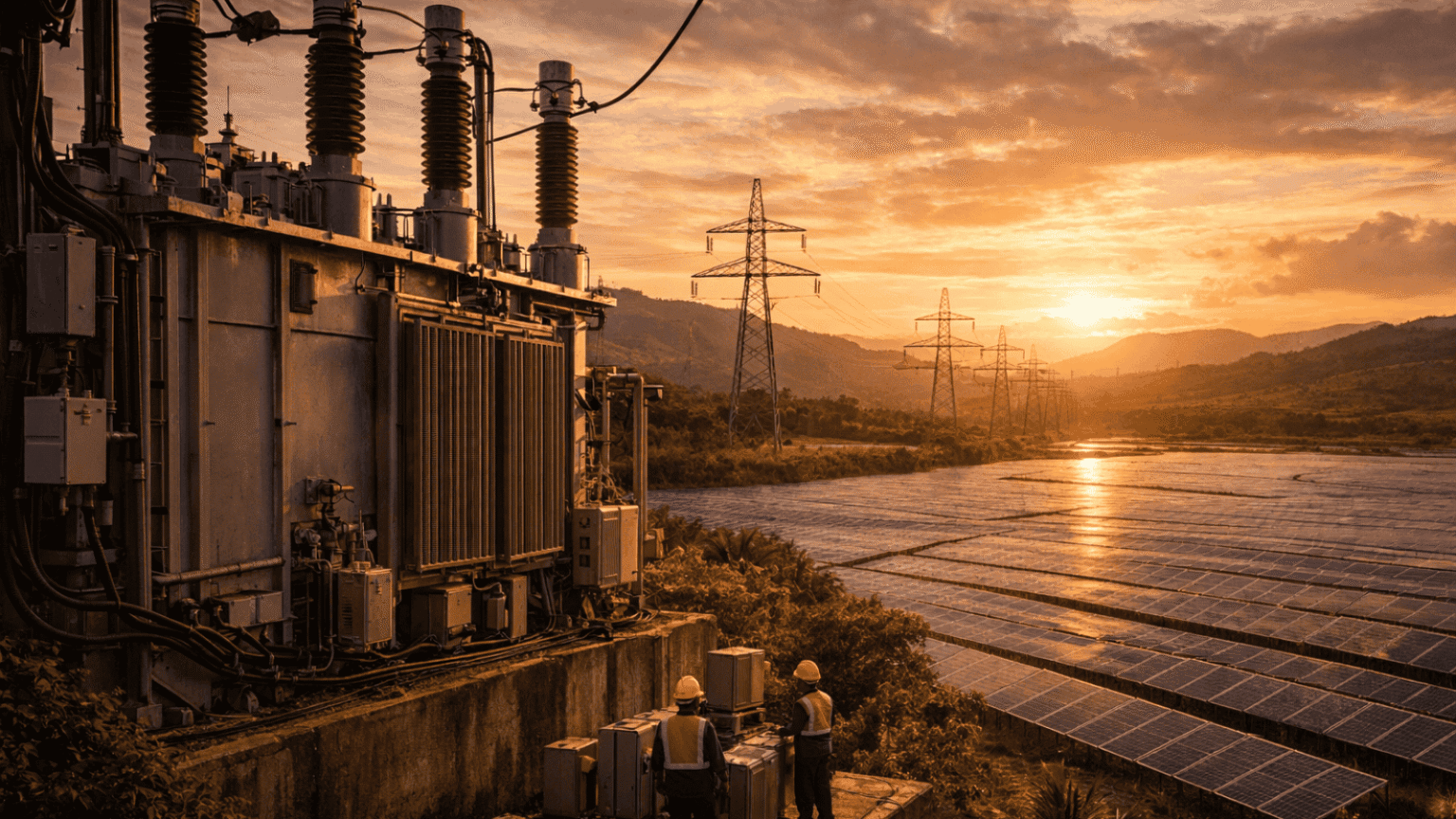
This represents a new form of diplomacy—one that operates below the level of headlines. Instead of treaties, influence is embedded in transformers, substations, and control systems. Unlike traditional aid, this dependency is operational, not symbolic.
The Electric Stack Monopoly
At the core of the Electrostate Pivot lies control over the so-called “electric stack”: generation, storage, transmission, and management. China’s dominance across these layers has allowed it to compress costs in ways competitors cannot easily match.
By offering bundled infrastructure packages, Beijing has transformed energy development into a turnkey service. Governments receive predictable pricing, rapid deployment timelines, and integrated maintenance—all while avoiding the fragmented procurement processes typical of Western-backed projects.
This model also standardizes technical norms. Voltage specifications, grid software protocols, and safety systems increasingly reflect Chinese engineering preferences, gradually becoming the default across large parts of Africa, Southeast Asia, and Latin America.
Sovereignty, Efficiency, and Strategic Trade-Offs
The appeal of the Electrostate Pivot lies in efficiency, but the cost is strategic flexibility. Nations adopting these systems gain immediate energy security and economic acceleration, yet face long-term constraints on policy independence.
Decoupling from such infrastructure would not simply be a diplomatic decision—it would be a logistical and economic shock. This reality is reshaping voting behavior in international forums, trade alignment, and even regulatory cooperation. Energy dependence is once again becoming a primary axis of global politics, only now it is measured in electrons rather than barrels.
According to the International Energy Agency, global electricity infrastructure investment is accelerating rapidly.
Conclusion
The Electrostate Pivot signals a fundamental shift in how power is exercised in the 21st century. Control over energy no longer depends on resource extraction alone, but on who designs, maintains, and optimizes the systems that keep societies functioning.
As China consolidates its position as the primary architect of electric infrastructure across the Global South, the global balance of influence is being quietly rewired. The defining geopolitical question of the coming decade may not be who owns the oil—but who controls the switch.